REVIEW · ORLANDO
Skip the Line: Museum of Military History Ticket
Book on Viator →Operated by Museum of Military History · Bookable on Viator
War stories, told with real objects. This skip-the-line ticket gets you into Orlando’s Museum of Military History faster, with a chance to move through the exhibits at your own pace.
I especially like how the museum’s displays feel chronological, so you can track America’s military involvement from earlier conflicts through later wars without getting lost. I also like that the experience is interactive and interpretive, so you’re not just staring at cases.
One thing to keep in mind: a small number of visitors reported ticket acceptance issues on arrival, and even a case where the museum appeared closed despite expecting it to be open. I’d plan to arrive during posted hours and keep your mobile ticket and confirmation handy.
In This Review
- Key things to know before you go
- Skip-the-line in Orlando: what “quick entry” really buys you
- Inside Stop 1: Museum of Military History, your 2-hour game plan
- What you’ll actually see: artifacts, timelines, and why the order matters
- Guide moments: when extra explanation changes everything
- Your pacing: no rushing, but don’t let time run away
- Timing in Orlando: opening hours and how to avoid the most common frustration
- Ticket value: why skip-the-line is more than convenience
- Who this museum ticket is best for (and who should be cautious)
- Final call: should you book this skip-the-line ticket?
- FAQ
- How long is the Museum of Military History ticket experience?
- Is the ticket experience offered in English?
- Does this ticket include skip-the-line entry?
- Is there a mobile ticket?
- What are the museum’s opening hours?
- Is the museum accessible by public transportation?
- Are service animals allowed?
- Is the experience suitable for most travelers?
- Can I cancel for a full refund?
Key things to know before you go
- Skip-the-line entry helps you start right away, instead of playing waiting game.
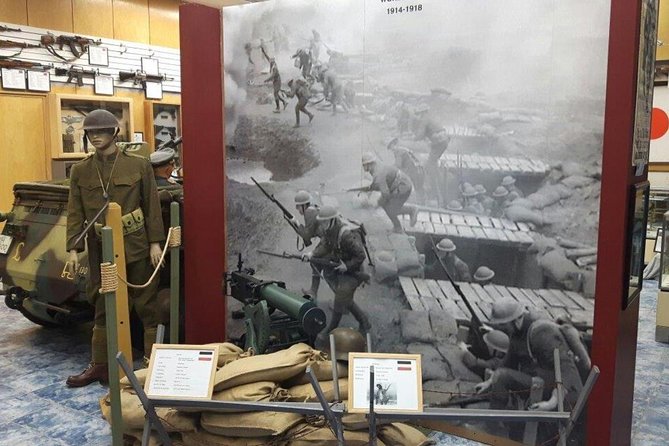
- A timeline setup makes it easier to follow American wars in order.
- Interactive, interpretive exhibits are designed for visitors of all ages.
- Guided-style context can add meaning beyond the artifacts themselves.
- Rare artifacts and personal accounts turn history from names into stories.
- Flexible pacing means you don’t have to rush after a group.
Skip-the-line in Orlando: what “quick entry” really buys you
A museum about war can feel heavy. So I like anything that reduces friction at the front door. With a skip-the-line ticket, you avoid the most annoying part of a museum day: standing around before you even get to the interesting stuff.
The experience is set up around about two hours, which is a sweet spot. Long enough to see a lot, short enough that you won’t feel crushed if you move at a normal pace. If you tend to skim when you’re tired, you’ll still catch plenty. If you like to slow down and read everything, you’ll have time to do that too.
You’ll also get a mobile ticket, which is the modern fix for paper chaos. Bring your phone charged and ready. It’s a small thing, but it keeps your start smooth.
You can also read our reviews of more tours and experiences in Orlando



Inside Stop 1: Museum of Military History, your 2-hour game plan
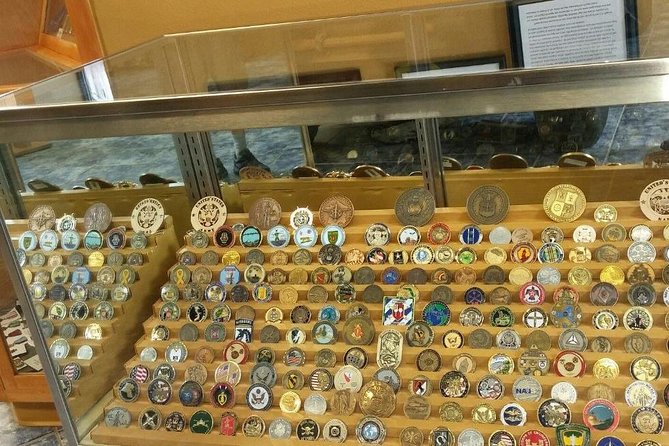
This ticket is built for a single main visit: the Museum of Military History. The museum’s mission is to educate and help you understand the American military experience through interactive, interpretive exhibits. That matters because it signals what the building is trying to do: explain, not just display.
Here’s how I suggest structuring your time once you arrive:
1) Start with the big-picture flow.
Look for the museum’s timeline-like organization. This is one of the most praised parts of the visit because it helps you connect the dots between wars rather than treating each era like a separate exhibit island.
2) Use the guide moment, then go at your own pace.
Multiple visitors highlight that a guide or docent walks through exhibits and adds details that you might not catch from the labels alone. If you get a guide-style walkthrough, treat it as your orientation. Then switch to your own rhythm. The experience is explicitly described as not needing a fast group pace, which is ideal if you like lingering.
3) Spend your “reading time” on the most human parts.
Some exhibits include moving accounts tied to former soldiers, and that’s where the museum can hit hardest. Plan to give those areas more than a quick glance. If you’re visiting with kids or teens, you might want to preview those sections first, so you can steer the conversation in a way that fits your group.
4) Finish with a second pass on what grabs you.
If one period or theme pulls you in, don’t be afraid to circle back. With a two-hour window, you’re not stuck committing to everything at equal speed.
The practical takeaway: don’t try to conquer the museum. Use the timeline structure and the guided context to pick your priorities, then let your attention decide what gets deeper.
What you’ll actually see: artifacts, timelines, and why the order matters
The museum’s setup is a big reason people leave satisfied. The exhibits are presented in a chronological timeline, so you can see changes over time. That ordering helps you understand wars not as isolated events, but as parts of a continuing story.
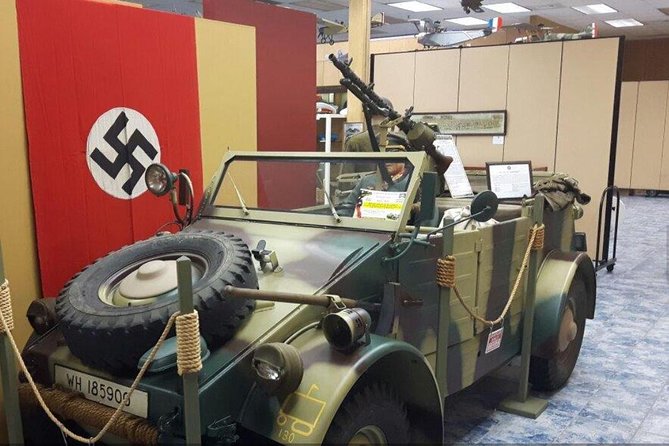
A highlight is the chance to see rare artifacts alongside personal stories. Artifacts do the visual work. Accounts do the emotional work. Put together, you get history that feels more grounded than a textbook timeline.
One consistent theme is that the museum feels real and raw. That doesn’t mean it’s sensational. It means the content aims to be direct about what happened and what it meant. If you want war history presented with reflection rather than just spectacle, this is the kind of place that fits.
And because the exhibits are described as interpretive and interactive, you’re not just walking past signs. You’re working with the material as you move.
Guide moments: when extra explanation changes everything
A museum can be either “interesting labels” or “a full understanding.” This one tends toward the second option because of guide-led context. Several visitors mention a tour guide who walks through exhibits and explains details that the artifacts alone can’t fully communicate.
One guide name that came up is Al. People describe Al as someone who adds useful details as you move from exhibit to exhibit. That’s a big deal, because war history often has dates, terms, and roles that are easy to miss if you’re only reading quickly.
Another point: some visitors also singled out names like Linda Gray and Bob Martin in their recommendations, suggesting the museum staff interaction can play a role in making the visit smoother and more meaningful.
How to use this in your favor: if you notice a guide starting an explanation, pause and listen. Even five minutes of context can make the next gallery feel much more readable.
Your pacing: no rushing, but don’t let time run away
One of the best practical aspects of this experience is the promise that you don’t have to rush to follow a group. That’s ideal if you’re traveling with anyone who processes information differently. Some people read every label. Some people need visual anchors. The museum layout and the timeline approach make it easier to move at your own speed.
That said, there’s still a two-hour rhythm to manage. If you drift for too long on one section, you may run out of time before reaching the rest of the timeline. My advice is to set a loose plan: pick two or three areas that matter most to you, then accept that the rest will be “good enough” for a first visit.
If you’re the type who always wants more time, consider aiming for a late-morning or early-afternoon slot. You’ll have a calmer start and plenty of energy for a full pass.
You can also read our reviews of more historical tours in Orlando






Timing in Orlando: opening hours and how to avoid the most common frustration
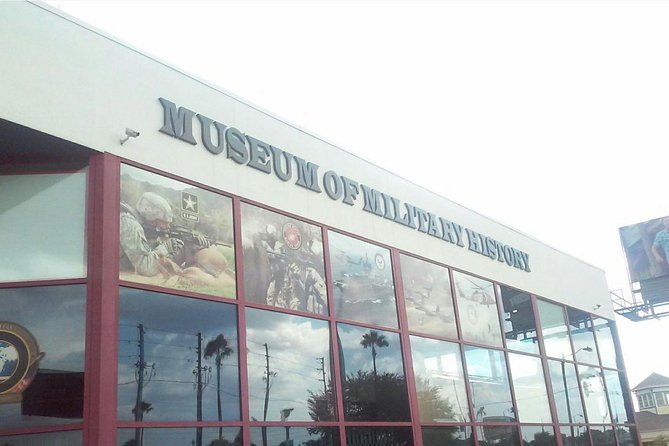
The museum’s posted hours are Tuesday through Sunday, 10:00 AM to 6:00 PM. That’s helpful because it gives you a clear planning window. The experience also operates over a wide range of dates, but the key detail you should use is the current day-of-week schedule.
A small number of reviews include a nasty surprise: the place appeared closed or the ticket caused trouble at the entrance. I can’t predict that will happen to you. But I can help you reduce your odds and your stress:
- Arrive during open hours, not at the edge of them.
- Keep your mobile ticket and booking confirmation accessible.
- If something seems off when you arrive, don’t argue with the situation on the spot. Contact the provider promptly so you can sort out next steps quickly.
In other words, treat this like any popular attraction: plan to be early enough to adjust if your timing is imperfect.
Ticket value: why skip-the-line is more than convenience

Skip-the-line usually sounds like marketing fluff. But for this kind of museum ticket, the value is practical. The faster you get in, the sooner you can start your timeline flow. And timeline museums reward early momentum—once you’re inside and oriented, it’s easier to remember what you saw and how it connects.
The ticket also includes admission, so you’re not piecing together entry logistics during your trip. That simplicity matters in a travel day packed with driving, parking, and deciding where to eat afterward.
You’ll also appreciate the language detail: it’s offered in English, so you can expect the interpretive presentation and any guide interaction to be geared toward that.
Even without a detailed price breakdown available here, the value equation is clear: skip-the-line entry plus a two-hour museum experience that’s interactive and story-driven is a strong use of time in Orlando, especially if you like history that feels grounded.
Who this museum ticket is best for (and who should be cautious)
This is a great pick if you:
- Enjoy history that follows a chronological structure
- Want to see artifacts paired with personal accounts
- Prefer a visit where you can learn, but also wander freely afterward
- Are traveling with older kids or teens who can handle serious themes
It may be less ideal if you:
- Want a purely light, casual museum experience
- Are sensitive to war-related content and want something more upbeat
- Hate any chance of uncertainty at the door, given that a few people reported ticket problems on arrival
For many families, the museum’s exhibits are described as designed for visitors of all ages. That doesn’t mean every family member will enjoy every section equally, but it suggests the museum tries to communicate across ages rather than only targeting adults.
Final call: should you book this skip-the-line ticket?
If you want a history museum that uses artifacts, storytelling, and a timeline layout to make sense of America’s wars, this ticket is a solid bet. The skip-the-line entry saves your energy for the part you actually care about: seeing the exhibits and using the guide-style explanations effectively.
I’d book it if you’re comfortable with serious subject matter and you like learning at your own pace. I’d also book it if you want a structured two-hour visit that doesn’t swallow your entire day.
Only adjust your expectations if you’re the type who needs zero friction at the entrance. Keep your phone ticket ready, arrive during open hours, and you’ll be in the best position for a smooth, meaningful museum visit.
FAQ
How long is the Museum of Military History ticket experience?
The experience runs about 2 hours.
Is the ticket experience offered in English?
Yes. The experience is offered in English.
Does this ticket include skip-the-line entry?
Yes. The ticket is specifically described as skip-the-line.
Is there a mobile ticket?
Yes. The ticket is delivered as a mobile ticket.
What are the museum’s opening hours?
The museum is listed as open Tuesday through Sunday, 10:00 AM to 6:00 PM.
Is the museum accessible by public transportation?
It is near public transportation.
Are service animals allowed?
Yes, service animals are allowed.
Is the experience suitable for most travelers?
Yes. Most travelers can participate.
Can I cancel for a full refund?
Yes. Free cancellation is available up to 24 hours in advance for a full refund.