Electric assist turns a sweaty paddle into an easy glide, and that changes everything about seeing Rainbow Springs up close. I especially liked the beginner-friendly setup—you get eSUP training and the gear—plus the small-group feel led by guide Richard, so you’re not fighting a crowd just to enjoy the water.
One heads-up: you do need good weather for this tour, and the min age is 13 with a 250 lb (110 kg) board limit, so it’s not for everyone.
In This Review
- Key highlights at a glance
- Electric eSUP: why it feels easier than you expect
- What you get onboard: boards, life jackets, and the motor kit
- Entering Rainbow Springs State Park the easy way
- The upstream section: cruising toward the spring
- Wildlife and water views: what you might spot
- Downstream return and the small-group advantage
- Value: what the included gear and training really buys you
- Who should book this electric paddle tour?
- Price, tickets, and timing: how to plan without stress
- Should you book the Rainbow Springs Electric Paddle Tour?
- FAQ
- How long is the Rainbow Springs Electric Paddle Tour?
- Where does the tour start?
- Is the tour offered in English?
- Do I need a paddleboarding experience?
- What’s the minimum age?
- What is the weight limit for the paddle boards?
- Is the admission ticket included?
- What if the weather is poor?
Key highlights at a glance
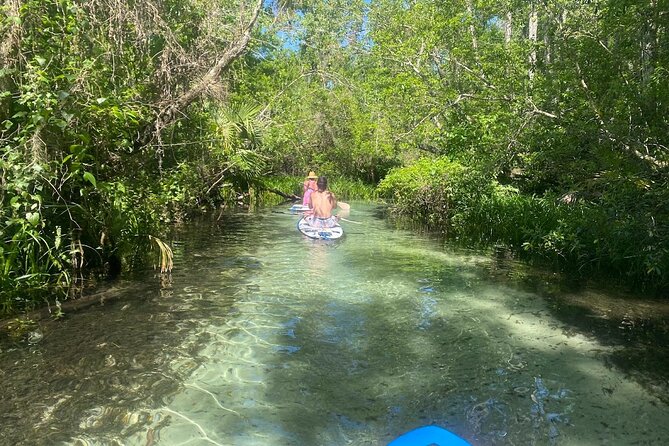
- Electric upstream cruising: coast against wind and current without the usual slog
- All-skill training: basic safety and eSUP instruction included
- Small group vibe: capped at a maximum of 4 travelers for more attention
- Wildlife viewing potential: otters, birds, fish, and other sightings are possible
- Guide-led route: no navigating stress with a local paddle lead
Electric eSUP: why it feels easier than you expect
If you’ve ever watched stand-up paddleboarders fight the current and wondered how they do it, this is the fix. The Bixpy motor kit is designed for a more relaxed pace. You still move like a paddler, but you’re not doing constant power strokes just to keep momentum. That matters because the best parts of paddling are often the calm moments—when you can look around instead of thinking about every stroke.
And because you’re cruising instead of wrestling the board, you’re more likely to enjoy the experience as a nature outing, not a workout you didn’t plan for. That’s the real magic of electric assist: it keeps your hands free for balance and your eyes free for wildlife.
I also like that this isn’t positioned as an extreme adventure. It’s an easy entry into paddling with a real guide. Beginners can focus on standing, turning, and staying comfortable, while the motor helps with the rest.
You can also read our reviews of more tours and experiences in Orlando

What you get onboard: boards, life jackets, and the motor kit
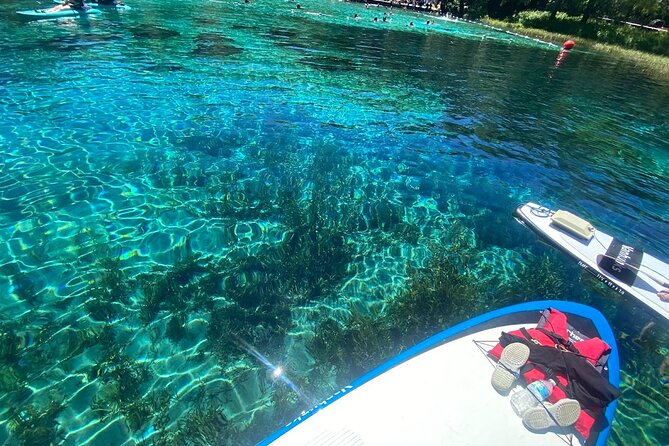
You’ll be on an 11’6″ hard top paddle board, which is a classic “stable platform” size for learning and relaxed cruising. The hard board also tends to feel more predictable under your feet than softer boards, especially if it’s your first time standing for any length of time.
You also get:
- Bixpy Motor Kit (the electric assist feature)
- Life jacket with whistle
- Tour guide
- Basic safety and eSUP training
This is the key value piece for me. Training plus equipment means you’re not showing up and improvising. Even if you’re nervous about standing, you’re given a path to follow. In the experience, that shows up clearly: I’ve seen first-timers relax quickly because the board feels manageable and the guide sets you up step by step.
One more practical thing: the tour isn’t long enough to justify bringing your own gear obsession. You can show up, learn how it works, and spend your mental energy on the scenery.
Entering Rainbow Springs State Park the easy way
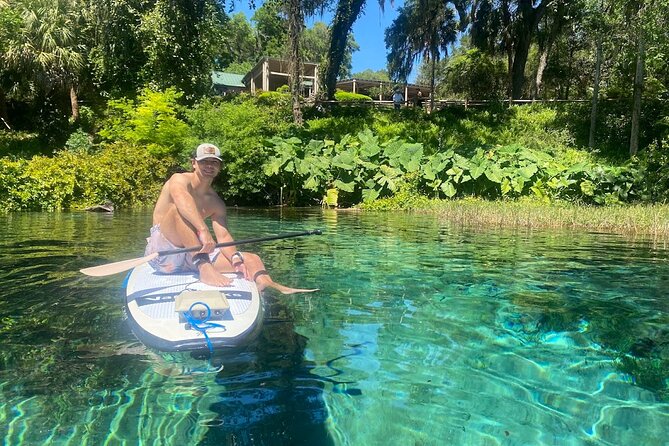
The tour starts at 9:00 am from 9435 SW 190th Avenue Rd, Dunnellon, FL 34432. The activity loops back to the meeting point at the end, so you’re not stuck coordinating transport after you’re done.
Once you’re at the water, expect a short start-up process—basic safety guidance and eSUP training—so you know how to handle the board and the motor assist. That training matters because electric paddling has its own rhythm. You’re not only steering with your paddle; you’re managing speed and effort too.
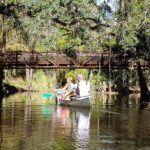
Then the plan kicks in: you’ll head upstream with guidance from the local lead, so you can check out the spring area without fighting the water as much. This is where the electric boards do their job. Instead of paddling hard against wind or current, you can coast and look around.
The timing feels right for a 2-hour outing. You’re not rushed, but you also don’t lose the day waiting around on shore.
The upstream section: cruising toward the spring
The signature part of the route is the upstream leg. The idea is simple: you’ll go upstream to explore the spring area, then you’ll come back downstream. With electric assist, upstream cruising is far less tiring, which means you can actually enjoy the ride rather than just survive it.
What this means for you:
- If you’ve been worried about wind or current, this route design helps ease that stress.
- If you want photos, you’re less focused on brute-force paddling and more able to frame shots.
- If you’re a beginner, you’re not constantly scrambling to keep speed or direction.
It also helps that you’re going with a guide in front. You don’t have to worry about getting lost. You can watch how the group lines up, learn the turning rhythm, and gradually build confidence.
Wildlife and water views: what you might spot
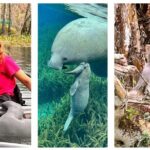
Rainbow Springs is known for clear water, and the electric format makes it easier to notice what’s happening around you. When you’re not paddling at full effort, you can scan the edges and keep an eye on movement below the surface.
From the tour experience, common wildlife sightings you may encounter include:
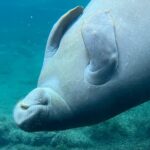
- otters
- fish
- birds such as a pelican
- other water life (and yes, in one experience there were jellyfish and a stingray sighting)
Jellyfish and stingrays aren’t something you can plan on, but the point is: the format puts you in the right conditions to see more than you would from the shore. And because you can glide instead of constantly power-stroking, you’ll often notice wildlife before you’re physically exhausted.
A small tip from what I’d do in your place: bring your attention back to the water surface and the shallow edges first. Then, if visibility is good, lower your gaze toward movement. That’s where a lot of the surprise comes from.




Downstream return and the small-group advantage
After exploring upstream, the downstream cruise is usually the fun release valve. This is where you feel the “we’re actually doing something” part of the tour: glide, relax your shoulders, and enjoy the ride back with the guide leading.
The small-group setup makes a big difference. The tour is capped at a maximum of 4 travelers, and that has practical benefits:
- you get more direct help if you wobble or need a quick explanation
- you’re less likely to lose your spot if you stop to look at wildlife
- it’s easier to keep a comfortable pace instead of getting swept along
If you’ve ever been on a group tour where you’re always behind or always waiting for someone, you’ll appreciate the tighter group size. It keeps the tone calm, like a guided nature paddle rather than a scheduled factory line.
And because the group stays small, the guide can manage the flow more naturally. In the experience, Richard was repeatedly described as going beyond expectations, and that kind of attentive hosting matters when you’re learning how to stand and move on a board.
Value: what the included gear and training really buys you
Let’s talk value in real terms. You’re not just paying for a place to paddle. You’re paying for:
- a dedicated 11’6″ hard top board setup
- a Bixpy motor kit to reduce strain and improve upstream access
- a life jacket with whistle
- a guide
- basic safety and eSUP training
That combo is what makes the tour work for beginners. If you had to rent equipment and self-teach, you’d burn time and probably end up anxious. Here, you’re handed the important pieces up front, and training bridges the gap between curious and confident.
What isn’t included is also important for your planning: the admission ticket is not included. If you’re combining this with other Rainbow Springs plans, you’ll want to account for that separately so you don’t run into a last-minute surprise.
Tipping is optional, though it’s always appreciated. If you felt you got extra help adjusting, coaching, or keeping the experience smooth, that’s a fair moment to reward great guiding.
Who should book this electric paddle tour?
This is a strong match if:
- you’re new to stand-up paddling and want instruction without the pressure
- you want to see more wildlife without turning it into a cardio test
- you prefer a guided, no-navigation-stress outing
- you like a smaller group where you can actually hear instructions and talk to the guide
It also works well if you’ve paddled before. Even experienced riders often enjoy electric assist because it extends your attention time. You spend less effort fighting water and more time actually experiencing the scene.
The tour does have limits. If you’re under 13, or if you’re over 250 lb (110 kg), you’ll need a different activity. And because it requires good weather, it’s not the best pick if you only have one rigid day and you can’t adapt.
Price, tickets, and timing: how to plan without stress
I can’t quote a specific price from the details provided, but I can help you judge value. The key question is whether you’re getting more than a basic paddle rental—and with this tour, you are. You’re paying for instruction, an electric motor kit, and a guided upstream-and-downstream route over roughly 2 hours.
Also plan your day around the timing. With a 9:00 am start and an end back at the meeting point, it’s easier to connect this with other sightseeing plans in the Orlando area or nearby. One schedule-friendly win: the guide was able to accommodate a tight itinerary for someone with a flight right after, which tells you they understand you might have real-world plans.
Don’t forget the admission piece. The tour covers the paddling experience, but the admission ticket isn’t included, so you’ll want to get that part handled separately if needed.
Should you book the Rainbow Springs Electric Paddle Tour?
If you want a guided paddle that’s realistically doable—especially as a first-timer—this is an easy yes. The standout reason to book is the electric assist paired with training. That combo reduces the usual barriers to enjoying the water right away.
I’d book it when you want nature time that still feels fun and approachable. The small group cap means you’ll get more attention, and the route design lets you spend more time cruising and scanning for wildlife instead of grinding upstream.
Skip it only if you’re not able to meet the basic limits (age and weight) or you’re stuck on a day where you can’t handle weather changes. Otherwise, this is exactly the kind of active outdoors experience that feels like Florida, without demanding paddling strength you don’t feel like using.
FAQ
How long is the Rainbow Springs Electric Paddle Tour?
The tour runs about 2 hours.
Where does the tour start?
The start location is 9435 SW 190th Avenue Rd, Dunnellon, FL 34432, USA. The tour ends back at the meeting point.
Is the tour offered in English?
Yes, the tour is offered in English.
Do I need a paddleboarding experience?
No. It’s designed for all skill levels, including beginners, with basic safety and eSUP training provided.
What’s the minimum age?
The minimum age is 13.
What is the weight limit for the paddle boards?
The maximum weight capacity is 250 lb (110 kg).
Is the admission ticket included?
No. Admission Ticket is not included.
What if the weather is poor?
This experience requires good weather. If it’s canceled due to poor weather, you’ll be offered a different date or a full refund.