REVIEW · ORLANDO
Orlando: Gatorland Interactive Tour with Animal Trainer
Book on GetYourGuide →Operated by Gatorland · Bookable on GetYourGuide
Gator feeding flips your fear into focus. This Gatorland Interactive Tour with an Animal Trainer gives you more than a walk-through. You get hands-on time, backstage access, and the kind of close-up reptile moments that feel rare even in Florida—plus guides like Casey and KC show up in the reviews with standout energy and know-how.
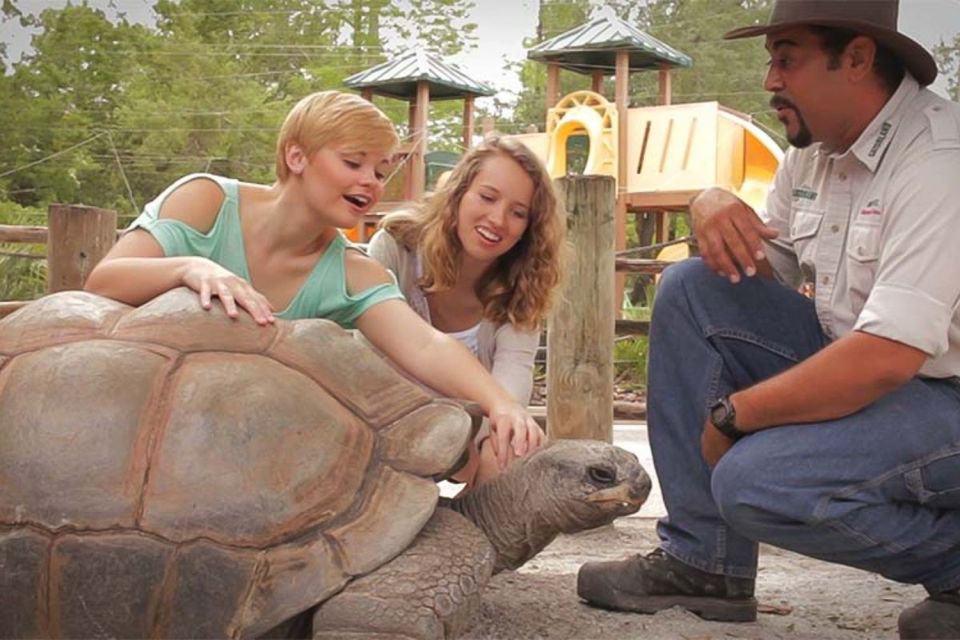
I love the small group setup (limited to 5), because it keeps the tour from feeling like a line at a theme park. I also really like the hands-on arc: you start with a baby alligator, then move backstage to meet larger alligators and crocodiles, and you even assist with feeding as part of the day.
One consideration: this is not a sit-back-and-sip experience. You’ll want comfy shoes and you should plan for a physical, outdoorsy visit—plus it isn’t suitable for kids under 12, so families may need to rethink timing.
In This Review
- Key points to know before you go
- Meeting at the Gatorland Entrance: Where the Tour Starts
- Start With the Baby: Holding the Little Alligator Moment
- Backstage to Big Reptiles: Crocodiles and Large Alligators Up Close
- Feeding Time: Assisting With Alligator and Crocodile Meals
- Touch and More Wildlife: What You’ll Handle Beyond Alligators
- Your Included Ticket: Use the After-Tour Time Smart
- Price and Value: Is $138 Worth It?
- What to Pack (and What to Leave Behind) for a Smooth, Hands-On Day
- Who This Tour Fits Best (And Who Might Want Another Option)
- Should You Book the Gatorland Interactive Trainer Tour?
- FAQ
- How long is the Gatorland interactive tour with an animal trainer?
- What’s included in the price?
- How big is the group?
- Where do I meet for the tour?
- Is this tour suitable for children?
- What should I bring?
- What items are not allowed?
- What language is the tour in?
- Can I cancel and get a refund?
Key points to know before you go
- Small group access: up to 5 participants keeps attention on you.
- Baby alligator time: you can hold a baby alligator early in the experience.
- Trainer-led feeding: you assist with daily feeding activities and learn the why behind it.
- Backstage close-ups: you’ll move from public areas into the park’s working zones.
- Included park admission: you get time to explore Gatorland on your own after the tour.
- Practical prep matters: bring change clothes and a towel for a hands-on reptile day.
Meeting at the Gatorland Entrance: Where the Tour Starts
The tour begins at a very literal landmark: the large alligator’s mouth by the park entrance. It’s a helpful meeting point because you’re not hunting for a booth number, and you can get your bearings fast before going into the hands-on portion.
You’ve got a 2-hour window for the tour itself, and that matters because it sets expectations. This isn’t a half-day class or a slow museum-style experience—it’s designed to pack in multiple interactions with a trainer guiding the flow.
Because the group is limited to 5 people, you’ll likely feel like the experience is paced for small attention, not mass herding. That’s a big deal for animal handling, where instructions and safety need a calm, controlled rhythm.
And if you’re the type who likes to arrive with a plan, this is one of those days. Wear comfortable shoes and plan to stand and move. Sunglasses help too, especially in Florida light and glare near outdoor exhibits.
You can also read our reviews of more tours and experiences in Orlando.



Start With the Baby: Holding the Little Alligator Moment
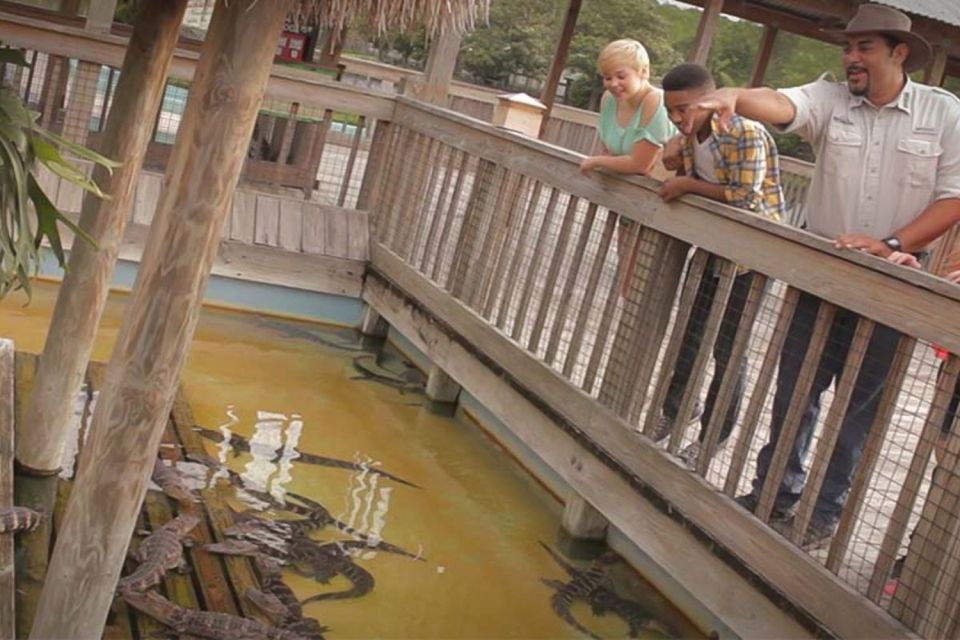
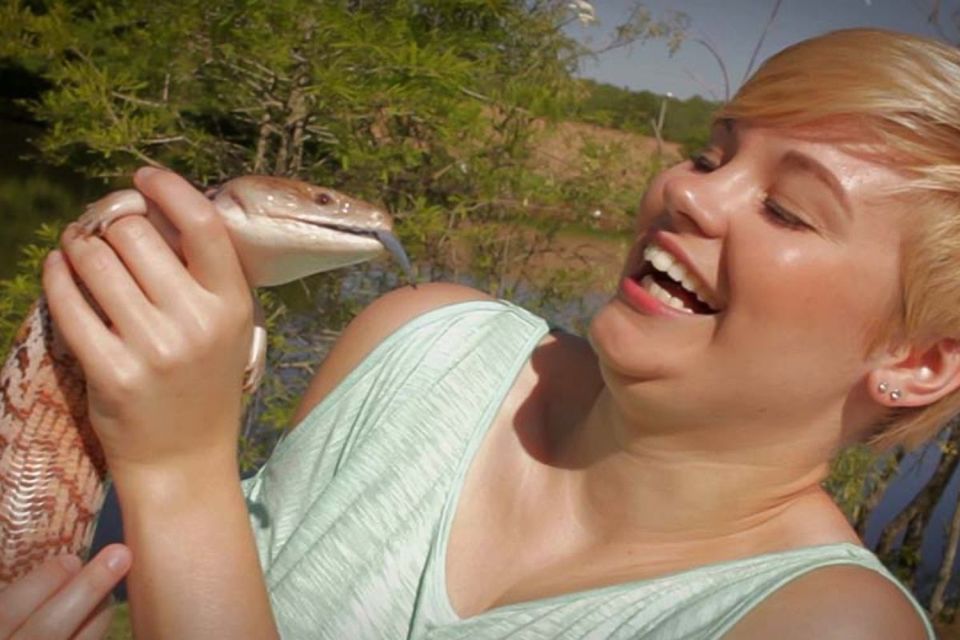
The tour’s first real highlight is meeting the smallest members of the alligator family. You’ll start with handling and holding a baby alligator, which shifts the day from watching reptiles to learning about them through contact and guided care.
This early moment works because it changes your mindset. Instead of treating alligators as dangerous creatures in the distance, you start with scale and temperament—how trainers introduce reptiles, what matters in safe handling, and how behavior can be read when you’re close enough to notice details.
You’ll also get context for why trainers structure the day this way. Starting small and controlled helps you learn the basics before you go near bigger animals later. Even if you know a lot about reptiles, the “start small” approach tends to make the larger exhibits feel more understandable rather than just intimidating.
As a practical note, this is where change of clothes and a towel suddenly make sense. Your comfort matters once you’re doing hands-on tasks. I’d treat this as a day where you might get more than a little sweaty, and you’ll be glad you packed for it.
Backstage to Big Reptiles: Crocodiles and Large Alligators Up Close
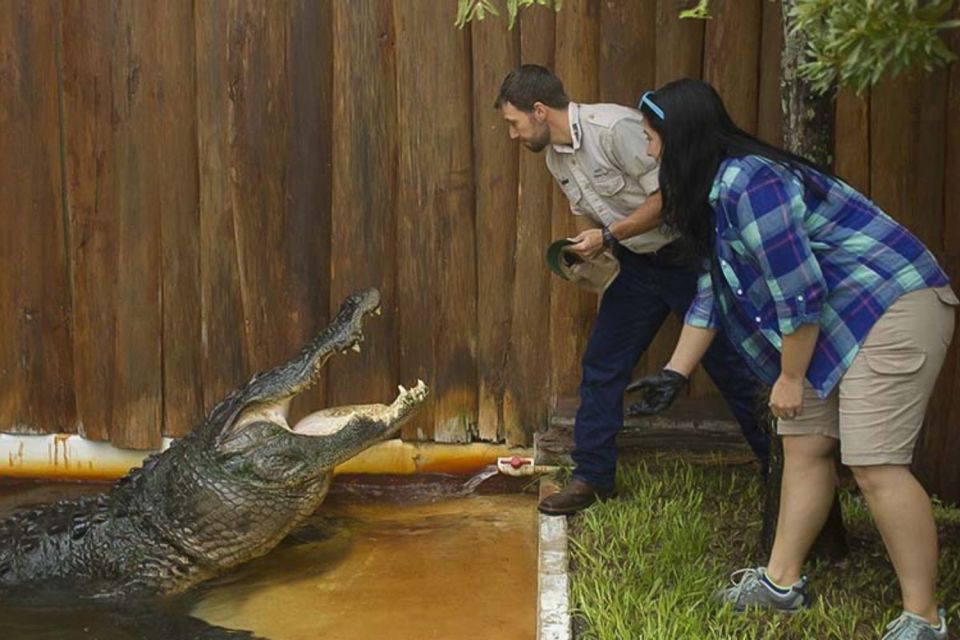
After the baby alligator moment, the tour moves into backstage areas. That’s where you’ll see larger alligators and crocodiles up close, in a controlled setting guided by the animal trainer.
This backstage shift is one of the best value pieces of the experience. A regular park visit gives you views from fences and distance. A trainer tour gives you the working reality: the routines, the movement of animals, and the reason certain interactions happen at certain times.
You’re not just looking. You’re learning behavior and how trainers manage interactions safely. The tour is interactive, so you’ll likely have chances to assist with daily activities—especially around feeding—while the guide explains what you’re seeing.
If you’re a reptile fan, the “alligator + crocodile” mix is key. Many people come for alligators and stop there, but this tour is built around both, so you can compare how they act and how trainers handle them.
Also, smaller groups help here because trainers can adjust instructions to your pace. If you’re cautious, you get time. If you’re excited, you still get safety steps, which keeps the experience fun instead of chaotic.
Feeding Time: Assisting With Alligator and Crocodile Meals
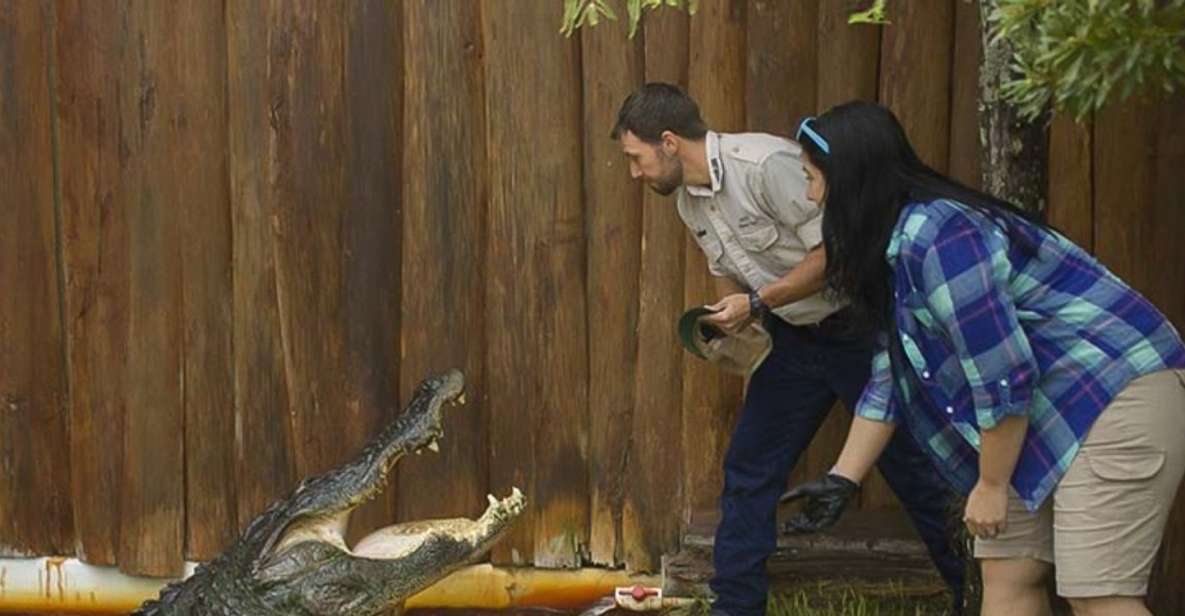
Then comes the adrenaline rush: feeding alligators and crocodiles with the trainer. This is the moment that turns the tour into a story you’ll remember, and it’s also the part where rules and training matter most.
What makes feeding valuable isn’t just the shock-and-awe factor. It’s the learning. You’ll hear about eating habits and feeding behavior—how animals react, how routines work, and what trainers pay attention to while delivering food.
In the reviews, the guides’ instruction quality comes up again and again. People mention guides like Casey for impressive alligator and crocodile knowledge, and KC for hands-on time that exceeded expectations. That’s what you want from a tour like this: not just animal contact, but clear explanations you can actually use to understand what you’re seeing.
Keep in mind that feeding is guided and controlled. You’re assisting with a trainer’s daily activities, not doing independent wildlife handling. That difference matters for safety and for how the animals are managed.
If you’re someone who loves science but also loves a thrill, this is a good blend. You get the practical “how it’s done” experience while learning the behavior behind it—so it’s not just a photo moment.
Touch and More Wildlife: What You’ll Handle Beyond Alligators
One reason this tour feels more complete is that it doesn’t stop at alligators. You’ll touch and hold other reptiles and wildlife inside the park during the experience, guided by the trainer.
That variety is useful because it broadens your understanding of how different reptiles live and behave. The tour’s structure keeps pulling you into the same theme—behavior and feeding habits—while giving you new animals to compare.
In a park setting, this can feel like a lot. In this tour format, it works because the trainer keeps the interactions connected. You’ll understand why each animal behaves a certain way, and you’ll start noticing patterns rather than collecting random encounters.
If you’re going with a group of friends, this section also helps with shared memories. Everyone tends to talk about the same big moments—baby alligator, backstage look, and feeding—but the “other animals” piece rounds out the experience so it doesn’t feel like a single trick.
And since the tour is in English with a live guide, you’ll have chances to ask questions in the moment. Small-group touring usually makes Q&A feel less awkward and more useful.



Your Included Ticket: Use the After-Tour Time Smart
When the 2-hour tour ends, you don’t have to rush off. You get free time to enjoy the park exhibits on your own with the admission ticket included.
This part is underrated. A guided tour shows you the backstage and the interactions, but a self-paced follow-up lets you slow down and absorb everything you just learned. You can go back to exhibits and look with fresh eyes, now understanding what the trainers were explaining.
I also like that you’ll likely find plenty of places to sit and cool down while you walk. Reviews mention shaded areas and fans, plus a clean park with nice staff. That kind of comfort matters in Orlando heat, especially if you’re trying to make the most of your time.
On food, you might notice multiple stands and a coffee option, with prices that reviewers describe as reasonable. There are also additional photo and trainer-related packages offered on-site, including a Trainer for a Day option mentioned in reviews. If you’re the kind of person who wants a souvenir, it’s worth checking those offers while you’re there—just decide calmly, not in the excitement spike right after the big moments.
A practical tip: plan your self-exploration like a lap, not a sprint. Do the exhibits that connect to what the trainer showed you first, then circle back for anything you skipped.
Price and Value: Is $138 Worth It?
At $138 per person for a 2-hour, trainer-led, hands-on experience, the price lands in the “serious theme-park add-on” category. It’s not cheap, so you should ask what you’re really paying for.
Here’s what makes the value feel more solid:
You’re getting a small-group experience limited to 5 participants, which usually costs more than standard guided tours because attention and animal handling time are limited. You’re also getting admission included, so part of the ticket cost isn’t extra on top.
Most importantly, you’re paying for interaction with real animal routine: holding a baby alligator, touching other animals, and assisting with feeding. Those aren’t typical “see and move on” park moments.
In reviews, people talk about the experience feeling privileged because they get into areas and routines they wouldn’t access on their own. That’s exactly the value logic here: you’re not paying just for proximity—you’re paying for trainer access and guided learning around the animals’ behavior and feeding habits.
If you’re the kind of visitor who enjoys hands-on experiences, this price can make sense. If you mostly want scenic walking and photo stops from distance, you might not feel the same satisfaction per dollar.
What to Pack (and What to Leave Behind) for a Smooth, Hands-On Day
This tour is hands-on, so packing is not optional. You should bring comfortable shoes, sunglasses, and comfortable clothes, plus a change of clothes and a towel.
Cash is also listed, so have a little set aside for any on-site purchases you decide you want—like souvenirs, photo options, or snacks. It’s smart to carry some flexibility if you end up wanting an extra package after seeing the trainer’s work up close.
As for what’s not allowed, keep it simple:
- Weapons or sharp objects aren’t permitted.
- Food and coolers aren’t allowed.
- Loose clothing isn’t recommended, which is sensible for animal handling environments.
- Pets aren’t allowed, though assistance dogs are.
If you’re unsure what counts as loose, think about anything that could snag or flutter. Go for secure, comfortable layers. This is also where hiking shoes can be a good choice if you want extra grip and comfort for walking around the park.
Who This Tour Fits Best (And Who Might Want Another Option)
This experience is listed as not suitable for children under 12, so it’s aimed at families who can bring older kids or at adults who want an active, animal-contact tour.
It’s also a strong match for anyone who:
- loves alligators and crocodiles,
- wants a trainer-focused explanation of behavior and feeding habits,
- prefers small-group attention over big crowds,
- and likes hands-on moments more than passive viewing.
If you’re afraid of reptiles, the baby alligator and trainer-guided pace can be a gentler on-ramp than jumping straight into the largest exhibits. But you still should be realistic: you’ll be close to big animals and the feeding part can feel intense.
If you’re mobility-limited, the tour includes walking in an outdoor theme park setting and active participation, so you might want to consider whether you can comfortably do that for about two hours plus additional park exploring after.
If you want a quiet, low-energy museum-style visit, this isn’t that.
Should You Book the Gatorland Interactive Trainer Tour?
If you want more than a standard park day, I’d book it. The best reason is the combination: trainer backstage access + hands-on animal time + feeding activities, all in a small group that keeps it personal.
I’d especially recommend it if you’re a reptile fan or you want a story with real animal interaction instead of just photos through a fence. The included admission after the tour is a bonus because it lets you connect what you learned to what you see next.
Skip it if you’re mainly looking for a casual stroll, or if the idea of feeding and close contact with reptiles doesn’t sound enjoyable to you. Also, if you’re bringing kids, remember the 12+ suitability rule.
If you decide to go, pack for comfort, bring a towel and a change of clothes, and treat the trainer’s explanations like part of the experience, not an add-on. That’s where the day becomes more than adrenaline—it becomes understanding.
FAQ
How long is the Gatorland interactive tour with an animal trainer?
The tour lasts 2 hours.
What’s included in the price?
You get an admission ticket, an animal trainer guide, and the interactive tour.
How big is the group?
It’s a small group limited to 5 participants.
Where do I meet for the tour?
Meet at the large alligator’s mouth by the park entrance.
Is this tour suitable for children?
It is not suitable for children under 12 years.
What should I bring?
Bring comfortable shoes, sunglasses, change of clothes, a towel, and comfortable clothes (hiking shoes are suggested too). Cash is also listed.
What items are not allowed?
Weapons or sharp objects aren’t allowed. Pets aren’t allowed (assistance dogs are allowed). Food and coolers aren’t allowed, and loose clothing is not permitted.
What language is the tour in?
The live tour guide is English.
Can I cancel and get a refund?
Yes. You can cancel up to 24 hours in advance for a full refund.